
Critical cluster edited by Emily Colbert Cairns for La corónica
- Submit abstract proposal of 300 words by 1 February 2020 and final essays by 15 June 2020.
- Contact: Emily Colbert Cairns (em*****************@***ve.edu)
- See Call for Papers below:
Medieval and early modern Iberian food practices reflect intersecting religious beliefs, as well as cultural and ethnic practices. Practices of consumption and abstinence shape the lives of medieval and early modern subjects as Caroline Walker Bynum demonstrates in her critical work, Holy Feast and Holy Fast. She determines that abstinence through fasting and the (consumption) of the Eucharist is “what everybody had in common” (33). Originating in the 1960s among historians who studied the practices of production and consumption, the field of food studies shifted significantly in the 1980s to include demographical evidence. Throughout the twentieth-first century numerous studies have been conducted by literary scholars who have approached this field in both a pan-European and interdisciplinary context. Today, scholars are approaching food studies through more focused fields of inquiry, i.e. French, Italian, English and Spanish contexts.
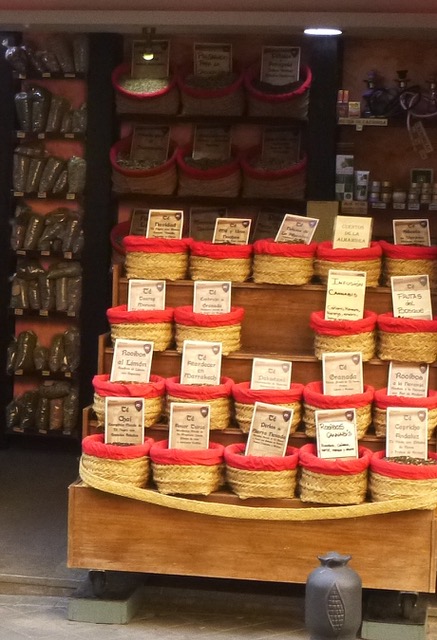 Carolyn A. Nadeau in Food Matters: Alonso Quijano’s Diet and the Discourse of Food in Early Modern Spain (2016) deals with early modern cooking manuals including: Libre de coch (Ruperto de Nola, 1520), and Arte de cocina, pasteleria, vizcocheria y conserveria (Francisco Martinez Montino, 1611) in order to understand the cultural acts of production, preparation and consumption (xiv). As Jews, Muslims and Christians populated the peninsula and subjects crossed confessional lines, conversos and moriscos, revealed their backgrounds and faced discrimination based on their choices related to the consumption and preparation of certain food products.
Ethnic others brought culinary traditions throughout the Sephardic diaspora and Arabic world and they in turn became modified by the new places in which these populations settled. Olivia Constable Remi in To Live Like a Moor: Christian Perceptions of Muslim Identity in Medieval and Early Modern Spain (2018) determines that food and foodways as “cross-cultural alimentary concerns” (105). At the same time, contact with the New World shaped food practices on the peninsula, and the Galenic conception of the four humors informed how medieval and early modern subjects and their medical practitioners understood their nutrition.
The places and spaces of food consumption significantly shaped practices of consumption. Jodi Campbell in her recent volume At the First Table: Food and Social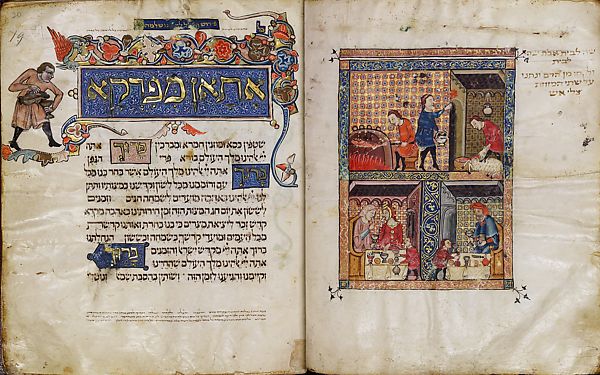 Identity in Early Modern Spain (2017) explores both the private and public spaces including the home and the tavern that inform food practices. Montserrat Piera in her edited volume Forging Communities: Food and Representation in Medieval and Early Modern Southwestern Europe (2018) explores the fundamental role of food practice and explores the culturally “transformative act of food consumption” (5).
This critical cluster seeks articles that address medieval and early modern Iberian food practices. We seek contributions from scholars, whose work explores how food and foodways intersects with various aspects of critical inquiry, including (but not limited to): devotion, space, ethnic difference, cultural contact, abstinence and resistance.